Laminate and butcher block land on the same shortlist for the same reason: neither will wreck a modest renovation budget. Beyond the price tag, though, they barely resemble each other. One is a manufactured panel that wipes clean with a damp cloth and never asks for oil. The other is a slab of solid wood that drinks mineral oil, forgives knife marks, and can be sanded back to life years from now. Choosing between them comes down to three things: what you pay upfront, how much maintenance you will genuinely keep up with, and how long you expect the surface to stay presentable.
What You're Actually Buying
Laminate is a sandwich. A printed decor layer sits under a clear wear sheet, both bonded to a particleboard or plywood core. Because it arrives finished, in standard widths and lengths, the price per square foot stays low. The cheapest route to a whole kitchen is post-form laminate, where the backsplash and a rounded front edge are molded into the panel. You trim to length, cut the sink opening, and set it.
Butcher block is milled wood — narrow strips of maple, birch, oak, walnut, or acacia glued into a slab, usually one to one and a half inches thick. You are paying for the species, the thickness, and the labor that went into the glue-up. Edge-grain blocks (strips laid flat) cost less than end-grain blocks (squares standing on end, the classic butcher-block checkerboard). Expect butcher block to run more than laminate per square foot, and budget for the supplies a wood top requires: mineral oil or a food-safe finish, sandpaper, silicone, and a router bit if you're cutting a sink opening. Small costs individually, but they're part of the job.
Installation: Which One a Weekend DIYer Can Handle
Laminate is the friendlier project. It cuts quickly with a fine-tooth circular saw blade or a jigsaw with a down-cutting blade. Tape the cut line, cut from the back side when you can, and use a sharp blade — a dull one chips the edge and there's no fixing that. Round the inside corners of any sink or outlet cutout; a square corner is where cracks begin. Then seal every raw edge and every seam with silicone, especially around the sink and along the backsplash.
Butcher block is heavier and less forgiving. A thick maple slab is dense, so plan on two people for anything longer than a few feet, and support it fully along its length so it doesn't sag between cabinets. Wood moves with the seasons, so it needs room to expand: drill pilot holes slightly oversized, fasten through the cabinet rails with washers, and skip the construction adhesive. Leave a small gap at the walls and hide it with trim.
Two details separate a wood top that lasts from one that fails. First, seal the end grain at cutouts — brush on oil or finish until the wood stops absorbing it. Second, finish all six sides, including the underside. A top sealed on top and bare underneath will cup as one face takes on moisture and the other doesn't.
If a new sink means moving supply or drain lines, that's a plumber's job, and gas work belongs to a licensed trade. Countertop choice shouldn't decide those questions.
Routine Care: One Wipe vs. a Maintenance Habit
Laminate
A damp cloth, mild dish soap, and a soft sponge handle almost everything. Skip scouring powders and abrasive pads — they dull the finish and scratch the printed layer, which cannot be polished out. Don't flood the surface. Water that reaches a seam or an unsealed edge is what swells the core and lifts the laminate. Use a cutting board, because knife marks are permanent, and use trivets, because a hot pan can scorch or blister the surface in seconds.
Butcher block
New blocks are thirsty. Oil daily for the first week, weekly for the first month, then monthly or whenever the wood looks dry and pale. Unscented food-safe mineral oil is the standard choice: apply a generous coat, let it soak in, wipe off the excess. Here's a simple test — drip water on the surface. If it beads up, you're protected. If it darkens the spot and soaks in, it's time to oil again.
Wash with warm water, mild soap, and a cloth, then dry it. Standing water is what ruins wood counters: a puddle at the backsplash, a wet rag left overnight beside the sink, steam from an open dishwasher hitting the underside. Keep hot pans on trivets, since wood scorches and can crack when it dries unevenly.
For raw meat and poultry, scrub with hot soapy water right away and follow with a mild sanitizing solution. If you have specific food-safety questions about your setup, check with your local health authority or a qualified professional.
Durability: Different Failure Modes, Different Lifespans
Laminate's surface is genuinely tough against everyday traffic, but the wear layer is thin and the core underneath is vulnerable. The usual failures are a chipped front edge, a swollen seam near the sink, a scorch ring, or delamination at a joint where water got in. Once the core swells, there's no repair — that section gets replaced. Cared for well, a laminate top can look good for a decade or two.
Butcher block is softer. It dents when you drop a can, and it scratches. In exchange, it's the rare affordable countertop you can refinish yourself: sand out the marks, re-oil, and it reads as new again. Longevity is almost entirely about moisture. Keep it sealed and dry and it can last for decades. Neglect it around the sink and it will cup, open along glue lines, and take on dark stains that only aggressive sanding will reach.
The Comparison at a Glance
- Upfront cost: laminate is cheaper, often by a wide margin.
- Installation: laminate is simpler and lighter; butcher block needs two sets of hands and careful sealing.
- Repairability: laminate is nearly none; butcher block sands and re-oils.
- Heat: both need trivets, and both can be permanently scarred by a hot pan.
- Water: laminate fails fast at seams; wood warps and cups.
- Knife marks: permanent on laminate, blendable on wood.
- Daily cleaning: one wipe for laminate, oiling sessions for wood.
- Feel: laminate is cool and uniform; wood is warm and a little irregular, which is most of its appeal.
Choosing for Your Kitchen
Ask yourself how much you want to think about a countertop. If the answer is "not at all," laminate is the honest pick — especially for rentals, laundry rooms, basements, and flip projects where a clean, neutral surface matters more than character.
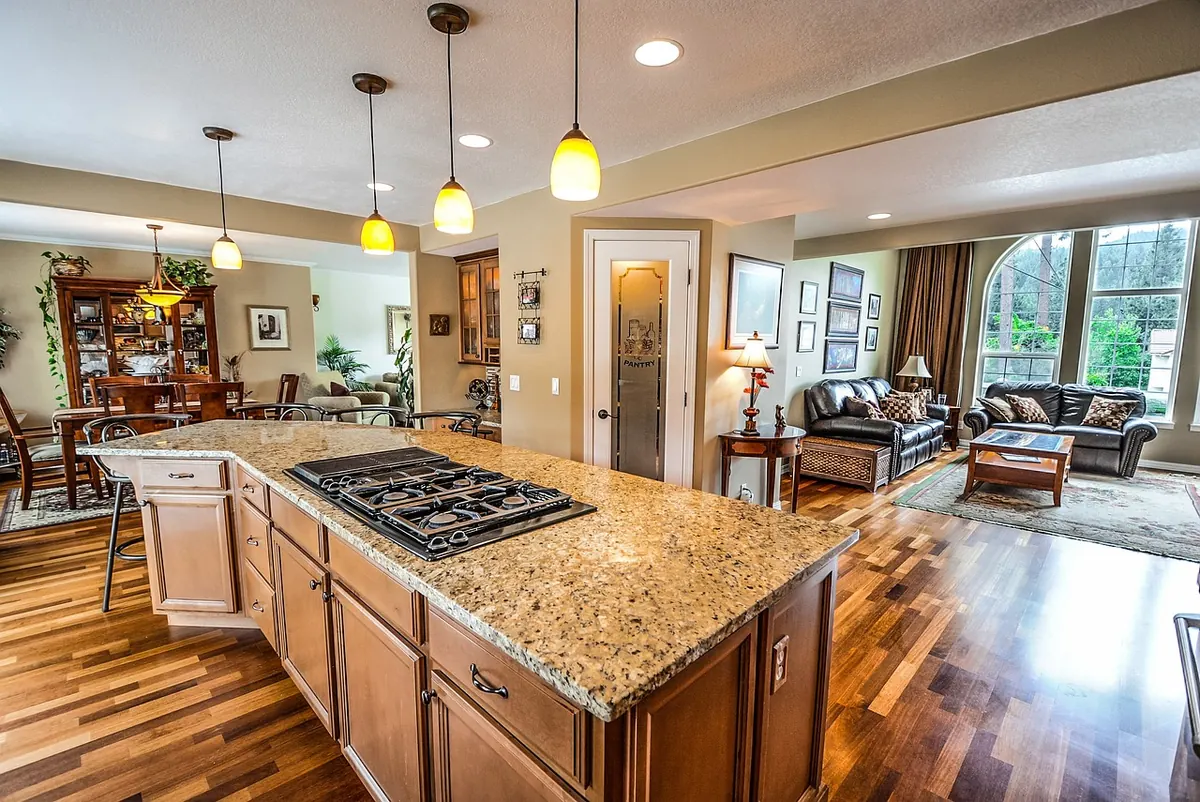
If you bake and want a surface for rolling dough, or you like the idea of a top that ages instead of wearing out, butcher block earns its extra cost and upkeep. It also suits a specific trick: put wood on the island, where you chop and serve, and laminate on the perimeter run, where the budget pressure is heaviest and the sink splashes most. You get the warm focal point without paying for wood everywhere.
Be realistic about your habits rather than your intentions. If you know you won't oil a counter once a month, don't buy one that needs it. If you can't promise yourself you'll dry the sink area after every use, wood near the sink will be the part you regret. Both materials will serve a busy kitchen well — they just fail differently, and only one of them gives you a second chance.
Photo: cecigre / Pixabay